Trusted by Families Since 2017 • Naturally Ripened Organic Fruits, Organic Vegetables and more groceries • No-Questions-Asked Refunds
Honey Wild Small Bee 700g
SKU 264
₹1 400.00
Price incl. GST (0%) ₹0.00
Weight
In stock
1
Estimated delivery time
Local delivery: today after 04:00 PM, depending on your address
Customer reviews
Reviews only from verified customers
No reviews yet. You can buy this product and be the first to leave a review.
Honey Wild Small Bee 700g
Product Details
UPC: 684779400
Brand: Sanesa Yourganic
Small Bee's Wild Forest Honey from Kangra, Himachal Pradesh
Rare Himalayan Honey | Tribal-Harvested
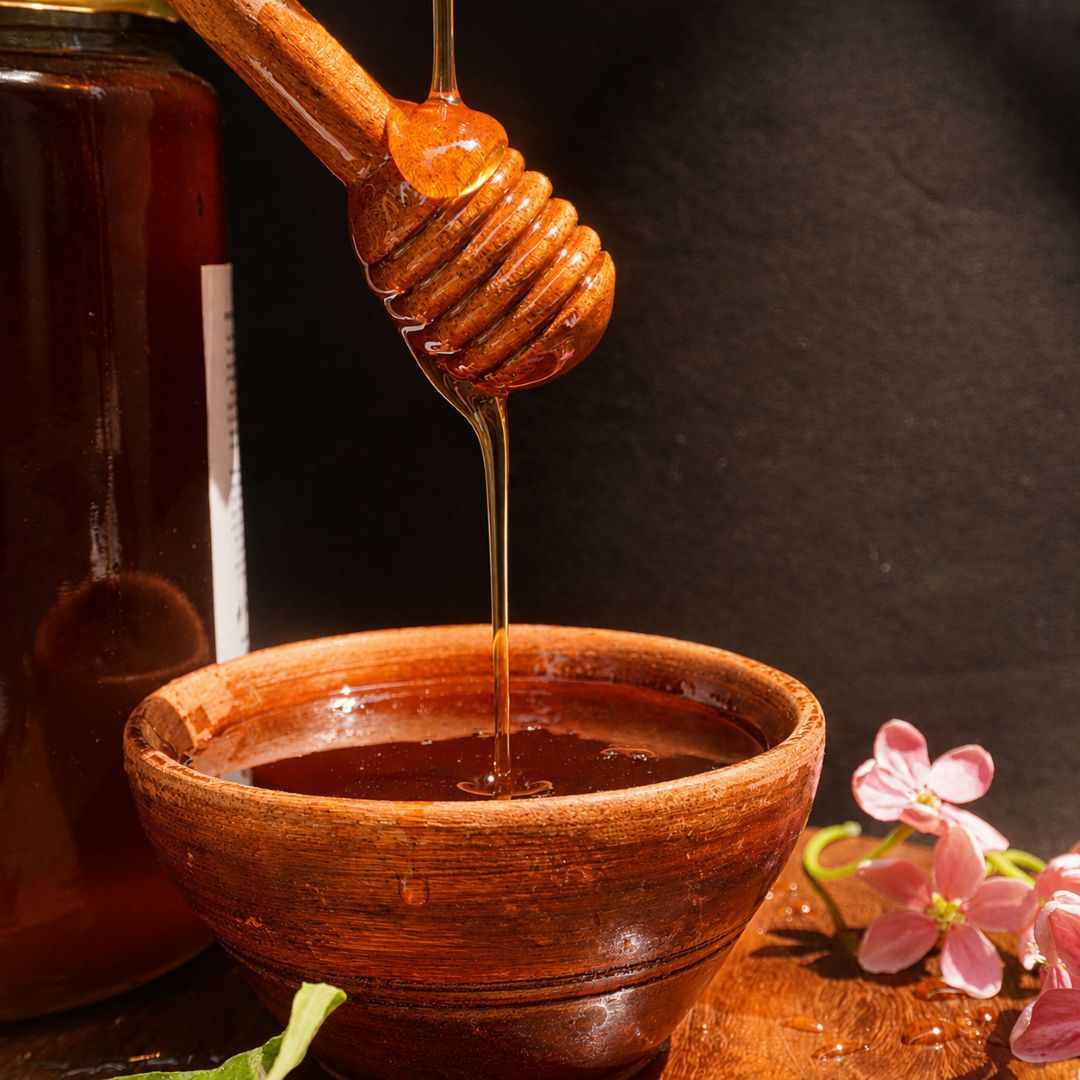
🍯 Kangra Forest Honey - harvested in extremely small quantities from wild hives of Apis cerana indica (Indian native honeybee). Extracted by a local tribal harvester from natural hives found in homes, abandoned tree trunks, and forest crevices, this is not beekeeper-managed honey but naturally occurring forest honey - raw, unstandardized, and seasonal by nature.
What Makes This Honey Exceptional?
🌲 From the lower Himalayan foothills of Kangra, Himachal Pradesh, this honey reflects the region’s dense mixed forests, rich undergrowth, and diverse flowering flora. Unlike commercial apiary honey, these bees are not reared, fed, or relocated - their hives form naturally in secluded tree hollows, mud homes, or forest edges.
👨🌾 Harvested manually by an experienced tribal forager, only surplus honey is taken, ensuring the hive survives and regenerates. Annual yield is limited to just 40-50 kg, making this honey exceptionally rare and prized.
🌸 Floral sources include wild Himalayan blossoms, forest herbs, native shrubs, and seasonal flowers - many unavailable in cultivated landscapes. This creates a honey with:
- 🌟 Deep amber color
- 🌟 Complex aroma
- 🌟 Layered taste - less overtly sweet, slightly woody, mildly herbal
❌ No heating. ❌ No blending. ❌ No filtering.
✅ Natural crystallization, color variation, and taste differences between batches are inherent qualities of this raw honey.
Honey Profile
| 🌟 Attribute | Details |
|---|---|
| Bee species | Apis cerana indica (Indian native honeybee) |
| Origin | Kangra district, Himachal Pradesh |
| Harvest type | Wild forest honey (non-apiary) |
| Annual yield | ~40-50 kg only |
| Processing | Raw, hand-extracted, unheated |
| Color | Deep amber to dark gold (seasonal variation) |
| Texture | Medium to thick; may crystallise naturally |
| Taste | Mild sweetness, woody, herbal undertones |
| Aroma | Floral with forest notes |
| Adulteration | Nil (no feeding, no blending, no syrups) |
Health Highlights
| 🍃 Component | Naturally Present | Associated Benefit |
|---|---|---|
| Enzymes | Yes (raw honey) | Supports digestion |
| Antioxidants | High (forest flora) | Helps combat oxidative stress |
| Trace minerals | Naturally occurring | Nutritional density |
| Prebiotic sugars | Yes | Supports gut microbiota |
| Antimicrobial compounds | Naturally present | Traditional immunity support |
⚠️ Consumption Note: Nutrient-dense natural sweetener. Consume in moderation. Not recommended for infants below 1 year. Diabetics should consult a healthcare professional before use.
Why Apis cerana indica Honey Is Special
🐝 Native Indian bee species adapted to Himalayan ecology
🐝 Forages shorter distances → denser nectar concentration
🐝 Produces honey with higher enzyme retention compared to processed commercial honey
🐝 More resilient to local flora cycles → complex flavor profiles
Sustainability & Service Promise
🌱 100% wild, ethically harvested honey
🌱 Supports tribal livelihoods & traditional forest knowledge
🌱 No beekeeping intervention, no artificial feeding
🌱 No heating, no microfiltration, no blending
🚚 Delivered in Delhi, Gurugram, Noida, Faridabad and Indirapuram
Fun / Interesting Fact:
🌸 Nearly all honey consumed in the Himalayan belt before modern apiaries came from Apis cerana indica, harvested from homes and forests. This tradition is rapidly disappearing - making each jar a living remnant of India’s indigenous food heritage.
Display prices in:INR